FWD
Building FWD’s Roadmap for Group Insurance Through Community Research
FWD Insurance set out to grow beyond the individual policyholder into a new kind of customer: communities and professionals bound together by shared, often high-risk activities, from diving clubs to trip organizers to weekend football leagues. FWD’s own systems could only see these customers as individuals, even when they were buying and organizing insurance as a group.
Understand FWD’s community and professional customers’ behavior and needs in owning insurance from a group perspective.
This was the second phase of an ongoing FWD and Sixty Two collaboration. Where the earlier engagement laid the groundwork, this study went further: mapping the mental models of two distinct customer types, high-risk community members and the professionals who organize activities for them, then testing FWD’s early group insurance concept directly against their reactions.
What we did
Category

Our Approach
Alignment & Context Discovery
We sat with FWD’s Product, Marketing, and Agent/Teleservice teams to understand what success meant in the business. We paired that with literature review, social listening, and an expert interview to ground our thinking in Indonesia’s wider insurance landscape.
Focus Group Discussions
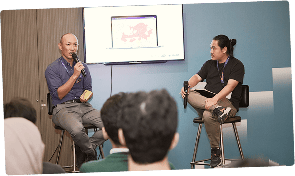
We ran in-person FGDs across Jakarta with two customer types: high-risk community members, divers, mountaineers, cyclists, football players, and the professionals who organize activities for them, tour leaders and event organizers testing a live product concept not an abstract idea.
Mental Modeling & Roadmapping
We translated the raw discussion into a Mental Model Diagram spanning the full customer journey: needs identification, purchase, and claims. From there, we built a roadmap FWD’s product and marketing teams could sequence and act on.
Designed for a Self, Used for a Group
Unlike a typical single-persona study, this segment had a built-in split: community members buying to protect themselves, and professional organizers deciding on behalf of a group. That distinction shaped everything downstream. Community insurance couldn’t be designed around one kind of decision-maker. For confidentiality reasons, the insights below are shared at a high level rather than in full detail.
How might we help FWD earn trust with customers who treat insurance as an afterthought to their passion?

Awareness Is the First Barrier
FWD’s brand recall sits somewhere between known and forgettable. For a young brand in a category where switching is rare, the moments a community first encounters FWD matter more than they would elsewhere.
Strategic direction:
- Awareness and engagement through partnerships already embedded in these communities.
- Positioning group buying as a cost-saving decision first, a coverage decision second.

Understanding Comes Before Price
Participants weren’t hesitating over cost. They were hesitating over not knowing what they’d actually be covered for, and carrying a past experience that made them cautious.
Strategic direction:
- Surfacing coverage details and claims steps earlier in the journey, instead of after purchase.
- Building in the specific add-ons, travel and emergency evacuation, that high-risk communities asked for directly.

The Role of Agents Hasn’t Disappeared
Online purchasing wins on convenience. It doesn’t win on confidence. Most participants still wanted a person to ask, particularly around claims.
Strategic direction:
- A purchase flow that supports both self-service and PIC-assisted (person-in-charge) submission for a group.
- Treating bulk purchase as the value lever